Civil Engineers
USACE role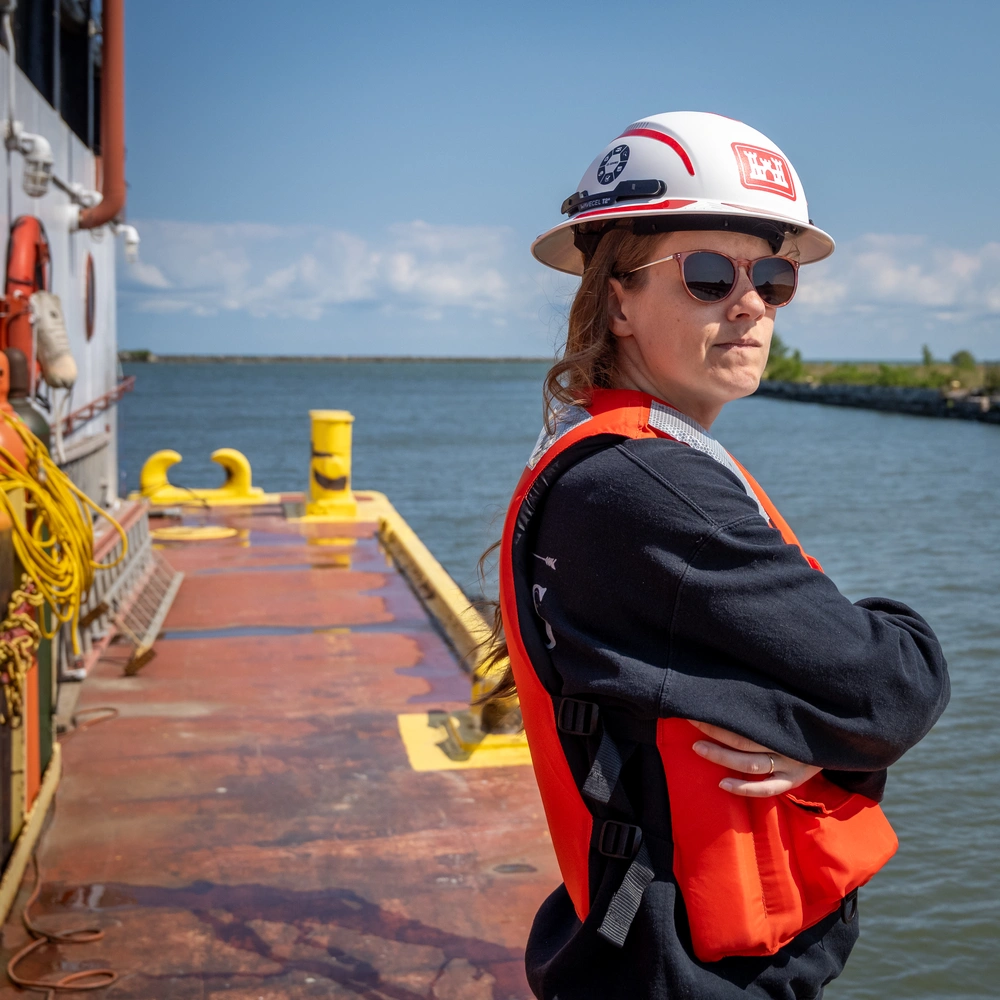
Civil engineers deliver and sustain bases, airfields, training ranges, roads, utilities, and contingency infrastructure. In Civil Works, they also deliver flood risk management and navigation projects that support power generation and economic stability.
Civil engineers are the backbone of the organization. They plan, design, construct, operate, and maintain large-scale public infrastructure. That includes dams, levees, floodwalls, navigation locks, channels, military facilities, and site development. Many rotate between design offices, field construction, and operations roles. They also serve as project engineers, coordinating multiple technical disciplines while managing scope, cost, and schedule.
In civilian organizations
Civil engineers work for engineering consulting firms, construction companies, utilities, and public works agencies. They design roads, bridges, water and wastewater systems, land development projects, and public facilities. Many advances into project management, firm leadership, or specialty technical roles.
How this supports the warfighter
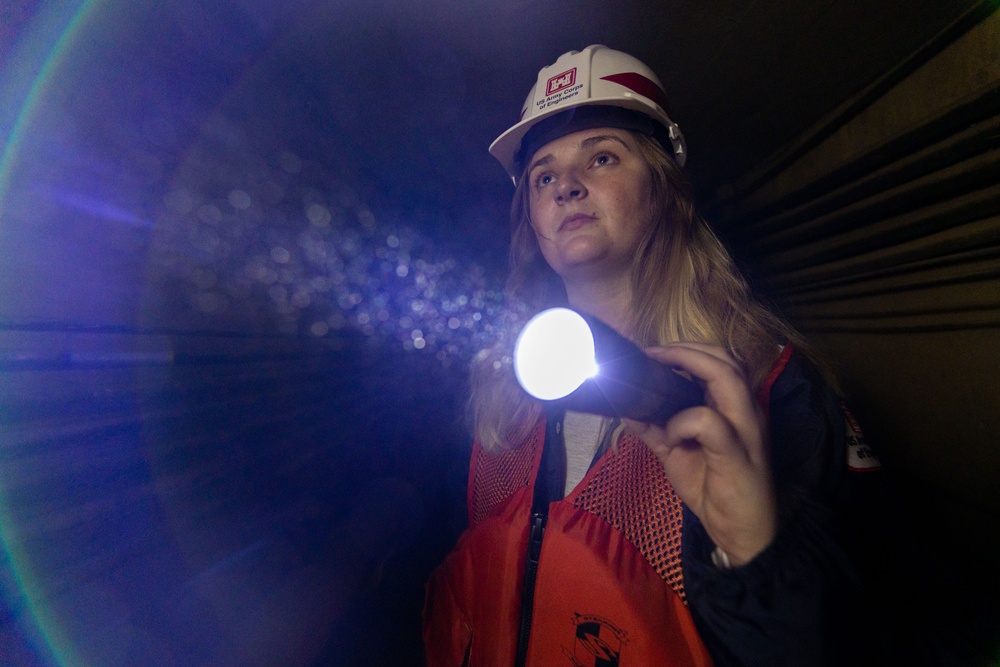
Reliable installations, airfields, and training infrastructure enable units to train, deploy, and recover on time. Flood protection, resilient utilities, and transportation infrastructure ensure installations remain operational during extreme events, directly protecting readiness and continuity of operations.