Structural Engineers
USACE role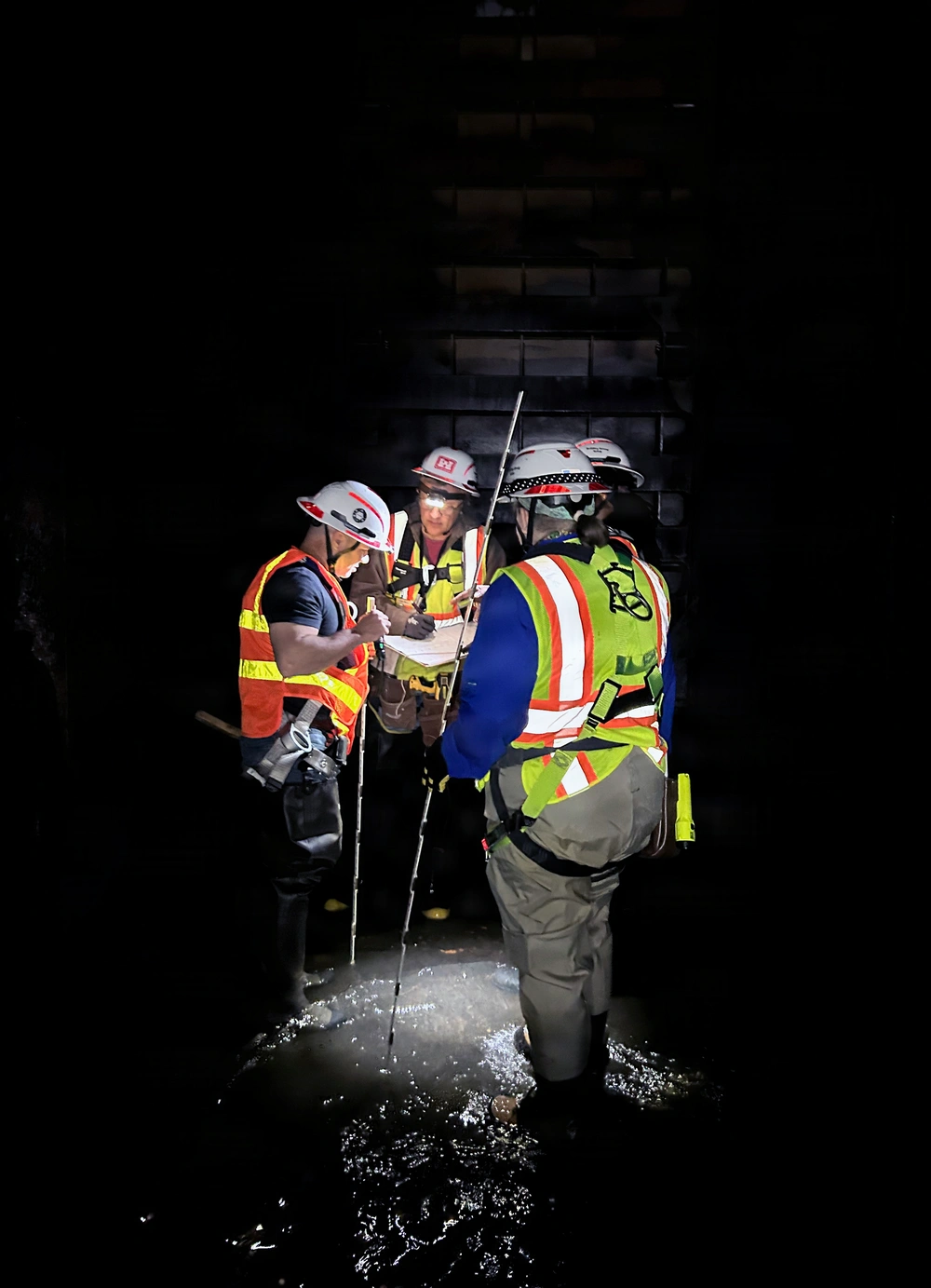
Structural engineers design and assess facilities, airfields, hardened structures, dams, and floodwalls to withstand extreme loads, seismic events, and blast effects where required.
A large portion of their work supports dam and levee safety programs, seismic evaluations, and risk informed decision making. They often review designs produced by contractors or other agencies.
In civilian organizations
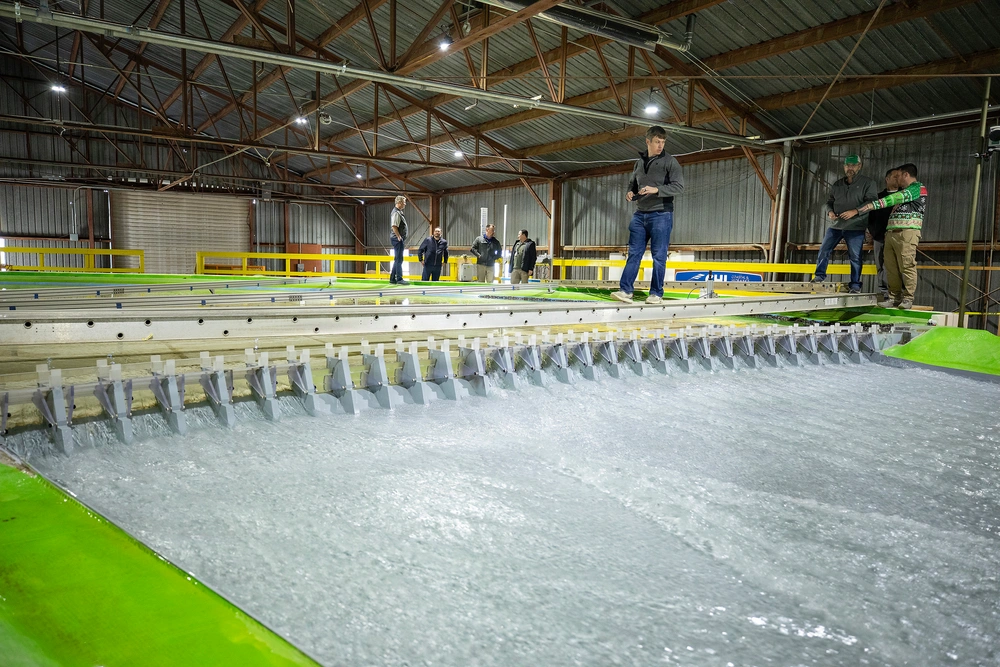
Structural engineers design buildings, bridges, industrial facilities, and specialty structures. They may work for consulting firms, architectural firms, or infrastructure owners. Their expertise in seismic and extreme loading conditions is especially valuable in private practice.
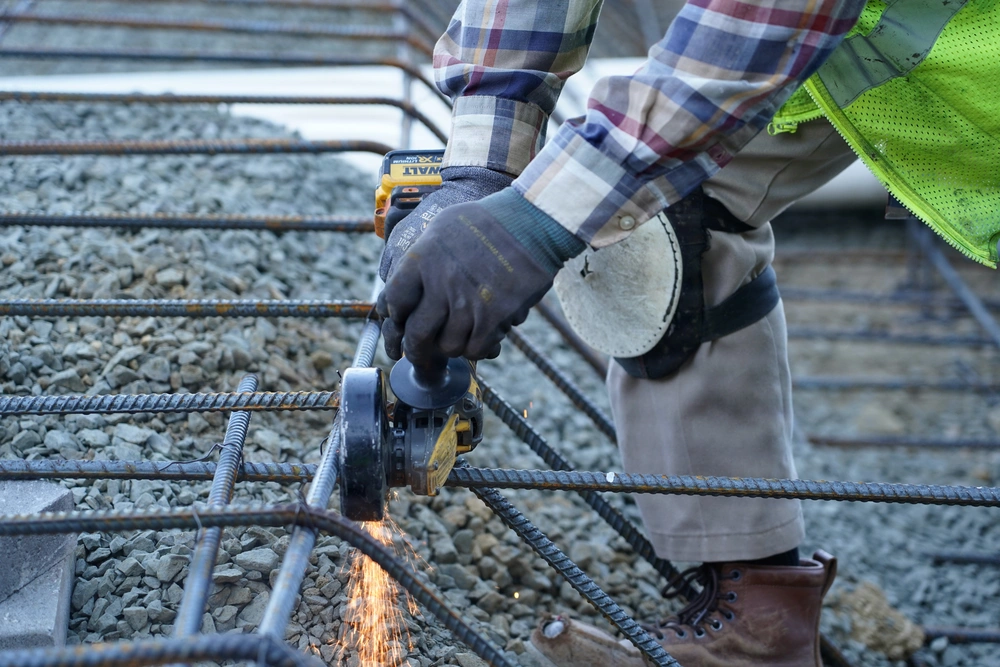
How this supports the warfighter
Hardened and resilient structures protect personnel, aircraft, munitions, and command systems. Facilities that survive earthquakes, floods, or attacks allow operations to continue without delay.